
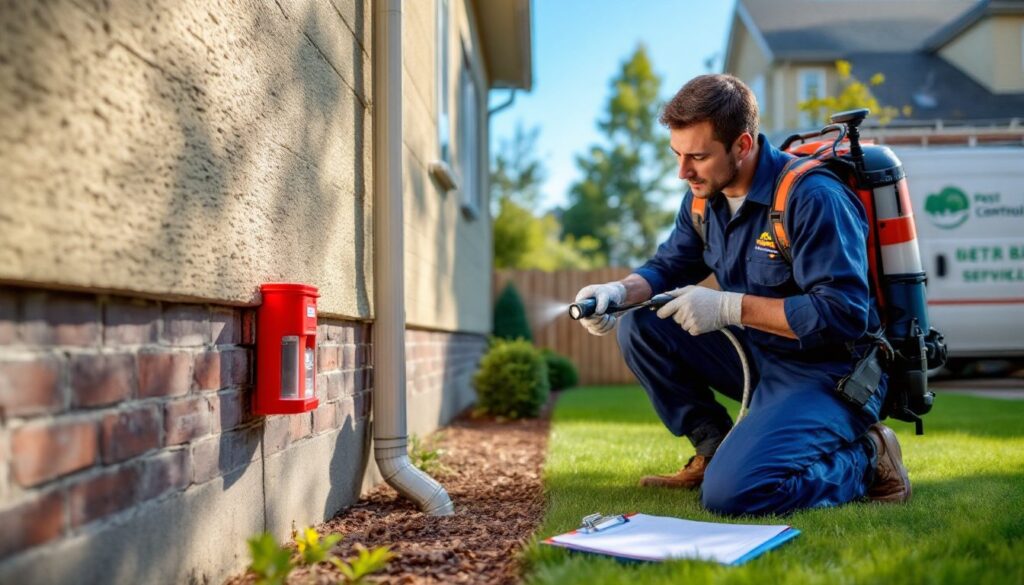
Pests don’t wait for an invitation, they find cracks, moisture, and food scraps, then make themselves at home. A single mouse can squeeze through a dime-sized hole, and termites can chew through framing lumber for years before anyone notices the damage. General pest control isn’t just about swatting flies or setting a trap when things get desperate. It’s a year-round combination of prevention, identification, and targeted treatment that protects both the structure of a home and the health of everyone living in it. Whether dealing with ants in the kitchen, roaches in the basement, or wasps under the eaves, understanding the fundamentals of pest management helps homeowners take control before small problems turn into costly infestations.
Key Takeaways
- General pest control combines prevention, identification, and targeted treatment year-round to protect your home’s structure and your family’s health before small problems become costly infestations.
- Identify common household pests—ants, roaches, rodents, spiders, and stinging insects—by their specific signs like trails, droppings, and nesting locations to choose the right treatment strategy.
- Seal entry points, eliminate moisture, store food properly, reduce clutter, and maintain your landscape to remove the food, water, and shelter that invite pests into your home.
- DIY methods like baits, traps, and diatomaceous earth work for isolated pest problems, but large infestations, termites, and difficult-to-reach nests require professional pest control services.
- Quarterly pest control service plans are the most cost-effective option for most homes, while Integrated Pest Management (IPM) offers the best long-term approach by combining inspection, exclusion, and targeted low-toxicity treatments.
- Professional help is worth the investment when pest problems repeat after DIY attempts, affect anyone with allergies or asthma, or involve dangerous situations like nests in walls or high eaves.
What Is General Pest Control and Why Does It Matter?
General pest control refers to the ongoing management of common household pests through a combination of exclusion, sanitation, monitoring, and treatment. Unlike specialty services that target a single species, like bed bugs or termites, general pest control addresses the broad spectrum of invaders most homeowners encounter: ants, roaches, spiders, rodents, and stinging insects.
The goal isn’t total eradication of every insect within property lines. That’s impossible and often counterproductive. Instead, effective pest control keeps populations below the threshold where they cause damage, spread disease, or create unsafe conditions. A few ants on the patio isn’t a crisis. A trail of carpenter ants leading into wall voids is.
Pest control matters because many common pests carry real risks. Rodents spread hantavirus and salmonella, chew through electrical wiring (a leading cause of house fires), and contaminate stored food. Cockroaches trigger asthma and allergies, especially in children. Termites cause over $5 billion in property damage annually in the U.S., and most homeowners insurance doesn’t cover it. Even nuisance pests like flies and mosquitoes can transmit pathogens or make outdoor spaces unusable.
From a structural standpoint, pests degrade building materials. Carpenter ants and termites tunnel through wood framing. Rodents gnaw insulation and nest in HVAC ducts. Addressing pest problems early prevents expensive repairs down the line.
Common Household Pests and How to Identify Them
Identifying the pest is step one. Different species require different strategies, and misidentification wastes time and money.
Ants: Look for trails along baseboards, countertops, or exterior foundation walls. Carpenter ants are large (up to ½ inch), black or red, and often appear near water-damaged wood. They don’t eat wood, they excavate it for nesting. Odorous house ants are smaller, brown, and smell like rotten coconut when crushed.
Cockroaches: German cockroaches are tan with two dark stripes behind the head, usually found in kitchens and bathrooms. American cockroaches are reddish-brown, larger (1½–2 inches), and prefer basements, crawl spaces, and sewer lines. Both leave dark fecal smears and a musty odor.
Rodents: Mice leave rice-sized droppings and gnaw marks on packaging, wires, and wood. Rats produce larger droppings (about ¾ inch) and greasy rub marks along travel routes. Listen for scratching sounds in walls or attics at night, rodents are nocturnal.
Spiders: Most are harmless and actually beneficial, feeding on other insects. Black widows have a shiny black body with a red hourglass marking underneath. Brown recluses are tan with a violin-shaped marking on the back. Both prefer dark, undisturbed areas like storage boxes, garages, and crawl spaces.
Stinging Insects: Wasps and yellow jackets build paper nests in eaves, attics, or underground. Hornets construct large, gray, football-shaped nests in trees or under rooflines. Honeybees typically nest in wall voids or hollow trees and should be removed by a beekeeper, not exterminated.
Proper identification often requires close inspection. Use a flashlight and a phone camera to document what you’re seeing, zooming in on a photo is safer than getting too close to a wasp nest or spider.
Effective Pest Prevention Strategies for Every Home
Prevention is cheaper and more effective than any treatment. Most pests enter homes looking for three things: food, water, and shelter. Remove the invitation, and they’ll move on.
Seal entry points. Walk the exterior perimeter and caulk cracks in the foundation, around windows, and where utility lines enter the home. Mice can fit through openings as small as ¼ inch, about the diameter of a pencil. Install door sweeps on exterior doors, and replace damaged weatherstripping. Cover vents, chimneys, and attic openings with ¼-inch hardware cloth, not screen (rodents chew through screen easily).
Eliminate moisture. Fix leaky faucets, repair dripping hose bibs, and ensure gutters drain away from the foundation. Use a dehumidifier in damp basements or crawl spaces, keep humidity below 50% to discourage roaches and silverfish. Check under sinks for slow leaks: even minor moisture attracts pests.
Store food properly. Keep dry goods in sealed containers, preferably glass or heavy plastic, not the original packaging. Wipe down counters nightly, sweep floors, and don’t leave pet food out overnight. Empty garbage regularly and use bins with tight-fitting lids.
Reduce clutter. Pests love cardboard boxes, stacks of newspapers, and piles of unused items. In basements and garages, store materials on shelves rather than directly on the floor. Clear leaf litter, mulch, and firewood away from the foundation, maintain at least a 12-inch gap between wood piles and exterior walls.
Landscape maintenance. Trim tree branches and shrubs so they don’t touch the house. Overgrown vegetation creates highways for ants, roaches, and rodents. Keep grass mowed and remove standing water from plant saucers, birdbaths, and clogged gutters, mosquitoes breed in as little as a bottle cap of water.
These steps won’t guarantee a pest-free home, but they dramatically reduce the likelihood of an infestation taking hold.
DIY Pest Control Methods That Actually Work
Homeowners can handle many pest problems without calling in a service, especially if caught early.
Baits and Traps: For ants, use slow-acting liquid baits like borax-based gels. Worker ants carry the bait back to the colony, eventually killing the queen. Place baits near trails but out of reach of kids and pets. For rodents, snap traps remain the most reliable option, set them perpendicular to walls with the trigger end facing the baseboard. Bait with peanut butter, not cheese. Check traps daily and wear gloves when disposing of carcasses.
Insecticidal Dusts: Diatomaceous earth (food-grade) works well for roaches, ants, and silverfish. It’s a fine powder that damages insect exoskeletons, causing dehydration. Apply light dustings in cracks, behind appliances, and along baseboards using a hand duster. Avoid heavy piles, insects will just walk around them. Wear a dust mask during application: DE is a respiratory irritant.
Sprays and Contact Killers: Aerosol insecticides provide quick knockdown for visible pests but don’t address the source. Look for products containing pyrethroids (bifenthrin, permethrin) for broader control. Always follow label instructions, more isn’t better, and misuse can harm non-target species or pets.
Natural Deterrents: Peppermint oil, vinegar, and cayenne pepper show up in countless DIY pest control tips. Honestly, results are inconsistent. They might repel ants temporarily, but they won’t stop a determined colony or a hungry mouse. Use them as supplements, not replacements, for proven methods.
Exclusion Devices: One-way exclusion funnels work for rodents and bats. Install them over entry holes so pests can leave but not re-enter, then seal the opening permanently after a few days. This is more humane and effective than poisons, which can cause animals to die inside walls.
Safety Note: Always wear gloves and eye protection when handling traps, baits, or chemicals. Read product labels completely, mixing pesticides or using them in unventilated spaces can be dangerous. Keep all pest control products locked away from children and pets.
When to Call a Professional Pest Control Service
Some pest problems exceed DIY capability, and trying to muscle through wastes time and money.
Call a pro for termites. Termite treatment requires specialized equipment, soil treatments, bait stations, or fumigation, and licensing in most states. A home inspection by a licensed termite inspector is essential before buying or selling property.
Large infestations need professional treatment. If you’re seeing dozens of roaches, mouse droppings in multiple rooms, or ant trails that reappear within hours of cleaning, the problem is established. Pros have access to stronger formulations and application equipment (power sprayers, foaming agents, sub-slab injectors) that aren’t available to consumers.
Stinging insect nests in difficult locations. A wasp nest under a second-story eave or inside a wall void is dangerous to remove without proper gear and experience. Professionals use protective suits, extension wands, and residual insecticides to eliminate nests safely.
Rodents inside walls or attics. If you hear scratching but can’t locate entry points or nesting sites, a pest control technician can perform a thorough inspection, set traps in strategic locations, and seal access points after elimination.
Health risks or allergies. If anyone in the household has severe asthma, allergies, or a compromised immune system, professional-grade treatments and follow-up monitoring are worth the investment.
Repeat failures. If DIY efforts haven’t worked after two to three weeks, something’s wrong, wrong product, wrong pest, or wrong strategy. A technician can correctly identify the pest and tailor a treatment plan.
Most pest control companies offer free inspections. It doesn’t hurt to get a professional opinion, even if the homeowner decides to tackle the problem independently afterward.
How to Choose the Right Pest Control Treatment Plan
Treatment plans vary based on pest type, infestation severity, and property characteristics. There’s no one-size-fits-all approach.
One-time treatments work for isolated problems, a single wasp nest, a few ants in spring, or a mouse that wandered in during cold weather. The technician treats the immediate issue, seals entry points if needed, and that’s it. Cost typically ranges from $100 to $300, depending on region and complexity.
Quarterly service plans are the most common for general pest control. A technician treats the interior and exterior every three months, adjusting applications seasonally (more exterior barrier sprays in summer, more interior treatments in winter). Annual cost runs $400 to $600 for an average single-family home. This approach works well for homes in areas with high pest pressure or near wooded areas.
Monthly plans are overkill for most situations unless dealing with persistent roach or rodent problems in multi-unit buildings or commercial settings. For residential properties, monthly service usually isn’t necessary and drives up costs without added benefit.
Integrated Pest Management (IPM) is the gold standard. It combines inspection, monitoring, exclusion, sanitation recommendations, and targeted low-toxicity treatments. A good IPM provider educates homeowners on prevention and uses chemicals only when non-chemical methods aren’t sufficient. This approach costs slightly more upfront but reduces long-term pesticide use and repeat infestations.
Ask potential providers:
- Are technicians licensed and insured in your state?
- What products do they use, and are Safety Data Sheets (SDS) available?
- Do they offer a warranty or free re-treatments between scheduled visits?
- How do they handle sensitive situations (pets, kids, vegetable gardens)?
Avoid companies that push expensive multi-year contracts without a thorough inspection first, or those that refuse to identify products they’re spraying. Transparency matters.
Conclusion
Effective pest control is about vigilance, not panic. Seal the gaps, control moisture, store food properly, and act quickly when pests appear. DIY methods handle most routine problems, but don’t hesitate to call a pro when the situation demands it. A pest-free home isn’t a one-time achievement, it’s an ongoing maintenance task, like cleaning gutters or changing furnace filters. Stay ahead of the problem, and pests won’t get the chance to settle in.