
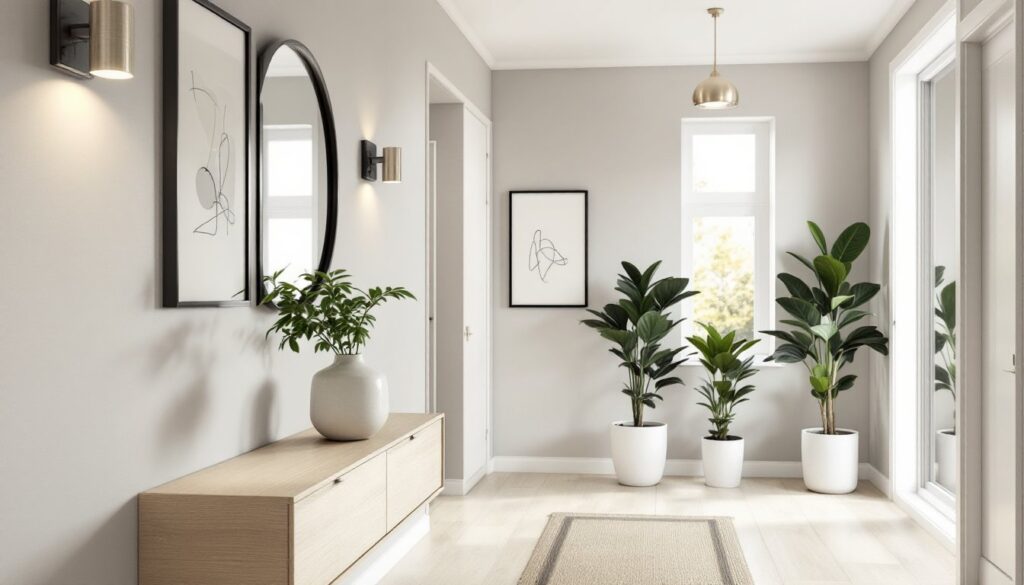
Hallways often get overlooked in renovation plans, dismissed as mere pass-through zones. Yet these transitional spaces set the tone for an entire home. A modern hallway combines clean aesthetics with functional design, no clutter, no wasted square footage, and no boring white walls stretching endlessly toward the bedroom. Transforming a hallway doesn’t require knocking down walls or rewiring electrical systems. Strategic lighting, intentional color choices, and smart storage can elevate even the narrowest corridor into a design statement that guests notice the moment they step inside.
Key Takeaways
- Modern hallway decor ideas focus on minimalist color palettes, clean lines, and strategic lighting to transform overlooked corridors into intentional design statements.
- Upgrading to pendant lights, sconces, or track lighting fixtures with 3000-4000K warm-to-neutral bulbs instantly modernizes hallways while dimmable options add functional versatility.
- Floating shelves, recessed storage, and wall-mounted benches with hidden compartments maximize space in narrow hallways without sacrificing an open, uncluttered feel.
- Mirrors and reflective surfaces amplify light and visually widen cramped hallways when positioned opposite windows or light sources, with frameless designs best suited to modern aesthetics.
- Incorporating natural materials like hardwood flooring, textile runners, live plants, and wood accents adds organic warmth while maintaining contemporary simplicity.
- Gallery walls with cohesive framing and artwork arranged at eye level (57-60 inches from floor) turn bland hallway walls into curated design focal points.
Embrace Minimalist Color Palettes and Clean Lines
Modern design thrives on restraint. Hallways benefit from neutral base colors, soft grays, warm whites, or greige tones, that amplify natural light and make narrow spaces feel wider. Avoid busy patterns or high-contrast color blocking that visually chops up the flow.
For wall finishes, matte or eggshell paints work better than high-gloss options in hallways. They hide minor imperfections and reduce glare from overhead fixtures. Most quality paints cover approximately 350-400 square feet per gallon, so a standard 3-foot-wide, 12-foot-long hallway with 8-foot ceilings typically needs less than a gallon for two coats.
Trim and baseboards should stay crisp. Semi-gloss white remains the go-to for molding because it’s scuff-resistant and easy to wipe down, critical in high-traffic areas where bags, shoes, and vacuum cleaners constantly make contact. If the hallway connects to rooms with varying color schemes, keeping trim consistent ties everything together without competing for attention.
Clean lines extend beyond paint. Furniture and decor should have simple silhouettes, floating consoles instead of bulky cabinets, slim-profile benches rather than upholstered ottomans. Every piece should justify its footprint.
Create Visual Interest With Statement Lighting Fixtures
Lighting transforms a hallway from afterthought to focal point. Most older homes rely on a single builder-grade flush-mount fixture that casts flat, uninspiring light. Swapping that out for a linear pendant, track lighting, or a series of sculptural sconces instantly modernizes the space.
Pendant lights work best in hallways with ceilings 9 feet or higher, hang them approximately 12-18 inches below the ceiling to avoid head clearance issues. For standard 8-foot ceilings, wall-mounted sconces provide drama without sacrificing headroom. Space sconces 6-8 feet apart along the wall to eliminate dark pockets.
Temperature matters. Modern interiors favor 3000-4000K bulbs (warm to neutral white), which provide clarity without the sterile feel of daylight-spectrum LEDs. Dimmable fixtures add versatility, allowing homeowners to adjust brightness for evening ambiance or morning functionality.
Installing new fixtures often requires working with existing electrical boxes. If the current box location doesn’t align with the design vision, relocating it means cutting into drywall and potentially running new wire through wall cavities, a job that requires basic electrical knowledge and adherence to National Electrical Code (NEC) standards. When in doubt, hire a licensed electrician, especially if the home has older wiring or no ground wires present.
Maximize Space With Sleek Storage Solutions
Hallways accumulate clutter, coats, shoes, keys, mail, so built-in or wall-mounted storage keeps chaos in check without sacrificing style. Floating shelves in wood or metal add display space for books or decor while maintaining an open feel. Install shelves at least 12 inches deep to hold items securely, and use hidden brackets for a seamless look.
For narrow hallways, consider recessed storage. Cutting into the wall between studs (typically spaced 16 inches on center) creates shallow niches perfect for keys, sunglasses, or small plants. This requires opening the drywall, framing the opening with 2×4 lumber, and finishing with trim, a moderate-skill project that doesn’t compromise structural integrity if done between non-load-bearing studs.
Bench seating with hidden compartments serves double duty: a place to sit while putting on shoes and storage for seasonal items. Look for benches with lift-top lids and soft-close hinges to avoid pinched fingers. Ensure any bench is anchored to wall studs with appropriate fasteners, especially if it’ll support adult weight regularly.
Peg rails and hooks offer flexible hanging solutions. Shaker-style peg rails in natural wood or matte black metal bring modern utility without visual clutter. Mount them 5-6 feet off the floor for easy access and use toggle bolts or anchors rated for 50+ pounds if studs aren’t available at ideal spacing.
Add Depth Using Mirrors and Reflective Surfaces
Mirrors amplify light and create the illusion of width, essential in cramped hallways. A full-length mirror (typically 48-60 inches tall) leaned against the wall or mounted at the end of the corridor visually doubles the space. For a more dynamic approach, arrange multiple smaller mirrors in a grid pattern or asymmetrical cluster.
Frameless mirrors suit modern aesthetics better than ornate gilded frames. Look for options with polished edges and use mirror clips or adhesive mounting tape rated for the mirror’s weight. A 36×48-inch mirror weighs approximately 15-20 pounds, so wall anchors are non-negotiable unless mounting directly into studs.
Reflective surfaces extend beyond glass. Glossy tiles, metallic wallpaper accents, or lacquered furniture bounce light around without the fragility of mirrors. High-gloss paint on one accent wall can serve the same function, though it requires flawless surface prep, any drywall imperfections will telegraph through the finish.
Placement matters. Position mirrors opposite windows or light fixtures to maximize reflection. Avoid placing them directly across from entryways where they might create a disorienting effect for guests entering the home. Mirrors should enhance flow, not confuse it.
Incorporate Natural Elements and Textures
Modern doesn’t mean sterile. Introducing organic materials prevents hallways from feeling cold or clinical. Wood, stone, jute, and greenery add warmth without compromising clean lines.
Hardwood or luxury vinyl plank (LVP) flooring in wide planks (7-9 inches) creates a contemporary foundation. LVP offers the look of wood with better durability and moisture resistance, useful in hallways near front doors where rain and snow track in. Most LVP installs as floating floors over underlayment, a DIY-friendly project that doesn’t require glue or nails.
Textile runners ground the space and dampen sound in homes with hard flooring throughout. Choose low-pile or flatweave rugs that won’t bunch underfoot. Runners should span most of the hallway length but leave 4-6 inches of exposed floor on each end to avoid a cramped look. Use rug pads to prevent slipping, critical on smooth surfaces like tile or polished concrete.
Live plants bring life to otherwise static corridors, though hallways often lack natural light. Opt for low-light-tolerant species like pothos, snake plants, or ZZ plants, which thrive under LED bulbs. Wall-mounted planters save floor space, but ensure brackets are anchored properly, soil and water add significant weight.
Wood accents, whether a live-edge console table, reclaimed wood shelving, or wood slat wall panels, introduce texture and break up monochromatic schemes without overwhelming the space.
Style Your Walls With Contemporary Art and Gallery Displays
Blank hallway walls represent wasted real estate. Gallery walls turn corridors into curated art spaces, but modern installations require restraint and intentional composition.
Start with a cohesive theme, black-and-white photography, line drawings, or abstract prints. Frame consistency matters more than matching exactly: choose frames in the same finish (matte black, natural wood, or brushed metal) even if sizes vary. Arrange pieces on the floor first to test layouts before hammering nails.
For hanging, use a laser level to establish a horizontal guideline. The center of each piece should sit approximately 57-60 inches from the floor, museum standard for eye-level viewing. In hallways, consider running a grid or linear arrangement rather than organic salon-style clusters, which can feel chaotic in narrow spaces.
Picture-hanging wire and D-rings provide more flexibility than sawtooth hangers, allowing micro-adjustments after installation. For drywall, use picture-hanging hooks rated for frame weight or traditional nails driven at a 45-degree angle into studs when possible.
Oversized single pieces make bold statements without the complexity of multi-frame arrangements. A 36×48-inch canvas or framed print commands attention and simplifies the decision-making process. Lean large art against the wall on a console or mount it with heavy-duty hardware, anything over 20 pounds needs wall anchors or stud support.
3D wall art, metal sculptures, wood reliefs, or ceramic pieces, adds dimension. Ensure proper anchoring: decorative wall objects often weigh more than they appear and can become hazards if they fall.
Conclusion
Modern hallway design proves that transitional spaces deserve the same attention as primary rooms. Through strategic color choices, upgraded lighting, smart storage, and intentional decor, even the most forgettable corridor becomes a deliberate part of the home’s design narrative. The key lies in balancing aesthetics with function, every element should look good and serve a purpose. Start with one upgrade, whether that’s swapping a light fixture or adding a gallery wall, and build from there. Small improvements compound quickly in compact spaces.