
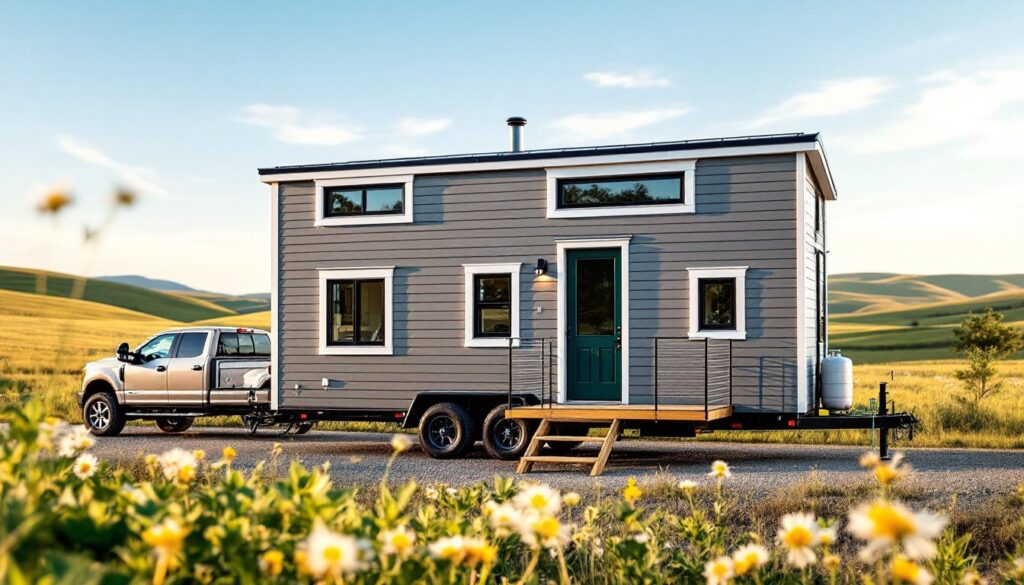
Tiny mobile homes have shifted from novelty to necessity. Rising housing costs, remote work flexibility, and a growing appetite for minimalism have pushed thousands toward compact, movable living spaces. Unlike traditional homes anchored to expensive land, tiny mobile homes offer something rare: the ability to own shelter outright without decades of mortgage debt. But this freedom comes with real trade-offs, zoning restrictions, utility hookups, and the challenge of fitting life into 100–400 square feet. This guide covers what prospective builders and buyers need to know before going small and mobile in 2026.
Key Takeaways
- Tiny mobile homes cost $30,000–$150,000 depending on build quality, offering an affordable homeownership alternative as median U.S. home prices exceed $400,000.
- Zoning restrictions are the biggest barrier to tiny mobile home living, with most jurisdictions requiring 600–1,000 square foot minimum sizes and banning permanent RV habitation outside designated communities.
- True ownership costs extend far beyond purchase price, including land or pad rental ($200–$1,200+ monthly), utilities hookups ($8,000–$20,000), transportation ($2–$5 per mile), and specialty insurance ($600–$1,500 annually).
- Tiny mobile homes require professional structural design, proper insulation (R-13 to R-21 in walls), secure fastening systems, and regular safety inspections to ensure road-worthiness and livability.
- Legal parking options for tiny mobile homes include private land with ADU compliance, purpose-built tiny home communities, RV parks accepting park models, or agricultural zones with less restrictive zoning.
- Financing tiny mobile homes is challenging since most lenders treat them as personal property rather than real estate, leaving options limited to personal loans, RV loans, or cash purchases.
What Are Tiny Mobile Homes and Why Are They Trending?
A tiny mobile home is a dwelling typically between 100 and 400 square feet, built on a trailer chassis or transportable foundation. Unlike conventional RVs designed for vacation travel, these structures function as full-time residences with residential-grade materials, appliances, and insulation.
The trend accelerated during the COVID-19 pandemic when remote workers realized they no longer needed proximity to expensive metro areas. Median home prices in many U.S. markets now exceed $400,000, making tiny mobile homes, which range from $30,000 to $150,000 depending on build quality, an appealing alternative for first-time buyers, retirees downsizing, and those seeking location independence.
Another driver: environmental consciousness. Tiny homes use a fraction of the energy required by standard houses. A well-insulated 200-square-foot space might need only a mini-split heat pump or small wood stove for climate control, reducing both carbon footprint and utility bills.
But they’re not for everyone. Storage is minimal, hosting guests requires creativity, and resale markets remain undeveloped in many regions. Prospective owners should evaluate whether the lifestyle aligns with their actual needs, not just their Instagram feed.
Types of Tiny Mobile Homes: Finding Your Perfect Fit
Tiny Houses on Wheels
Tiny houses on wheels (THOWs) are custom-built dwellings mounted on double- or triple-axle trailers, typically 8.5 feet wide to meet highway towing limits without special permits. Most range from 16 to 28 feet long, though some builders push to 32 feet.
These homes use conventional framing, 2×4 or 2×6 studs, with residential insulation (spray foam or mineral wool) and full-size appliances scaled down. Lofts accessed by ladder or staircase provide sleeping areas, maximizing usable floor space. Rooflines often feature shed or gable designs, with standing-seam metal roofing for weather resistance and weight savings.
Weight is critical. Most single-axle trailers max out around 10,000 pounds gross vehicle weight rating (GVWR), while tandem and triple-axle versions handle 14,000–20,000 pounds. Overloading risks tire blowouts, frame damage, and legal trouble. A tow vehicle must match or exceed the trailer’s GVWR, usually a three-quarter-ton or one-ton pickup.
THOWs face regulatory gray areas. The International Residential Code (IRC) doesn’t cover them, and many municipalities classify them as RVs, limiting where owners can park long-term.
Park Model RVs and Mobile Tiny Homes
Park model RVs are certified under ANSI A119.5, the recreational vehicle standard. They max out at 400 square feet and 8.5 feet wide, but unlike THOWs, they’re built to RV code and often include slideouts that expand interior space when parked.
Park models are easier to place legally. Many RV parks, campgrounds, and tiny home communities accept them without the zoning battles THOWs face. They’re also insurable through RV policies, whereas THOWs may need specialty coverage.
The trade-off? Park models use lighter framing and thinner wall assemblies than site-built homes. Insulation values (R-value) are lower, making them less suitable for extreme climates without upgrades. Some owners winterize park models with skirting, upgraded windows, and supplemental heating.
A third category, mobile tiny homes on permanent foundations, sits between THOWs and traditional manufactured housing. These units are transportable during delivery but designed to be placed on piers or a crawlspace. They may meet local building codes more easily but lose the mobility advantage.
The Real Costs: Budgeting for Your Tiny Mobile Home
Advertised prices rarely reflect true costs. A $50,000 shell doesn’t include land, hookups, permitting, or the tow vehicle.
Purchase or Build Costs:
- DIY builds: $20,000–$50,000 for materials if the owner provides labor. Requires carpentry skills, access to tools, and 6–12 months of build time.
- Builder kits or shells: $30,000–$70,000 for a weathered-in structure (walls, roof, windows) that the buyer finishes.
- Turnkey builds: $60,000–$150,000+ for professional construction with custom finishes, appliances, and systems installed.
Hidden Expenses:
- Trailer: A custom dual-axle trailer rated for residential loads runs $4,000–$8,000. Skimping here is dangerous.
- Utilities: Off-grid setups (solar panels, composting toilet, rainwater catchment) add $8,000–$20,000. Grid hookups require permits and installation fees.
- Transport: Moving a THOW more than 50 miles costs $2–$5 per mile with a professional hauler.
- Insurance: Specialty tiny home policies range from $600–$1,500 annually, depending on value and location.
- Land or pad rental: Monthly rates vary wildly, $200–$800 in rural areas, $1,000+ near cities.
Maintenance costs are lower than traditional homes (less square footage to repair), but tire replacement, skirting, and hitch maintenance are unique expenses. Budget 1–2% of home value annually for upkeep.
Financing is tricky. Most lenders won’t mortgage a THOW because it’s personal property, not real estate. Options include personal loans (higher interest rates), RV loans (if the home is RVIA-certified), or paying cash. Some builders offer in-house financing, but read the terms carefully.
Where Can You Legally Park and Live in a Tiny Mobile Home?
Zoning is the biggest barrier to tiny mobile living. Most jurisdictions have minimum square footage requirements (often 600–1,000 square feet) and prohibit permanent habitation in RVs or trailers outside designated zones.
Legal Parking Options:
- Private land: The owner’s property or a landowner’s lot. Check local codes, some areas allow “accessory dwelling units” (ADUs) if the tiny home meets building standards. Others require it to be a guest house, not a primary residence.
- Tiny home communities: Purpose-built parks with utilities, shared amenities, and clear legality. Monthly fees range from $400–$1,200.
- RV parks and campgrounds: Park models and RVIA-certified tiny homes are usually welcome. Long-term rates vary: some parks restrict stays to six months.
- Agricultural or rural land: Less restrictive zoning in unincorporated areas, but services (water, sewer, electric) may be unavailable.
Permitting and Code Compliance:
If the tiny home is classified as an ADU or permanent structure, it must meet the International Residential Code (IRC) Appendix Q (for tiny houses) or local amendments. Requirements include:
- Minimum ceiling heights (6’8″ in common areas, 6’4″ in lofts)
- Egress windows in sleeping areas
- Smoke and CO detectors
- Proper electrical (NEC-compliant), plumbing, and HVAC systems
Some counties issue conditional use permits or temporary dwelling permits. Others outright ban tiny homes. Research before buying land or a home.
Jurisdictional Variability:
California, Oregon, and Colorado have relatively tiny-friendly codes in some counties. Texas and Florida are mixed, liberal in rural areas, restrictive in cities. Always consult local planning departments and consider hiring a zoning consultant if investing significant money.
Essential Features and Design Considerations
Good tiny home design maximizes function without sacrificing safety or comfort.
Structural Integrity:
Road vibration is brutal. Use construction adhesive and structural screws (not just nails) on all framing. Reinforce cabinetry and appliances with metal brackets. Loose items become projectiles at highway speeds.
Insulation and Climate Control:
Thin walls lose heat fast. Aim for R-13 to R-21 in walls and R-30+ in the roof. Spray foam air-seals better than fiberglass but costs more. A mini-split heat pump (1–1.5 tons) efficiently heats and cools small spaces. Propane or electric heaters work as backups.
Water and Waste:
- Freshwater tanks: 20–50 gallons for off-grid living. Install a water filtration system if filling from untested sources.
- Gray/black water tanks: Require regular dumping. Composting toilets eliminate blackwater but need maintenance.
- On-grid: Standard RV-style hookups (city water, sewer, 30- or 50-amp electric).
Electrical Systems:
Most tiny homes use 30-amp or 50-amp RV-style service for portability. Off-grid builds need solar panels (1,500–3,000 watts), a charge controller, and battery bank (lithium-ion preferred). Hire a licensed electrician, DIY wiring errors cause fires.
Storage Solutions:
Every inch counts. Built-in drawers under stairs, fold-down tables, and wall-mounted shelving prevent clutter. Avoid furniture that doesn’t serve double duty.
Safety Equipment:
Install smoke detectors, CO detectors, and a fire extinguisher (ABC-rated, 5 lb minimum). Loft sleeping areas need egress windows or secondary exits per code.
Durability and Materials:
Use exterior-grade materials: LP SmartSide or metal siding over T1-11, metal roofing over asphalt shingles, and marine-grade plywood in wet areas. Lightweight materials reduce towing strain, but don’t compromise on weather resistance.
Before finalizing any design, have it reviewed by someone experienced in mobile structures. A poorly built tiny home isn’t just uncomfortable, it’s unsafe at 65 mph.