
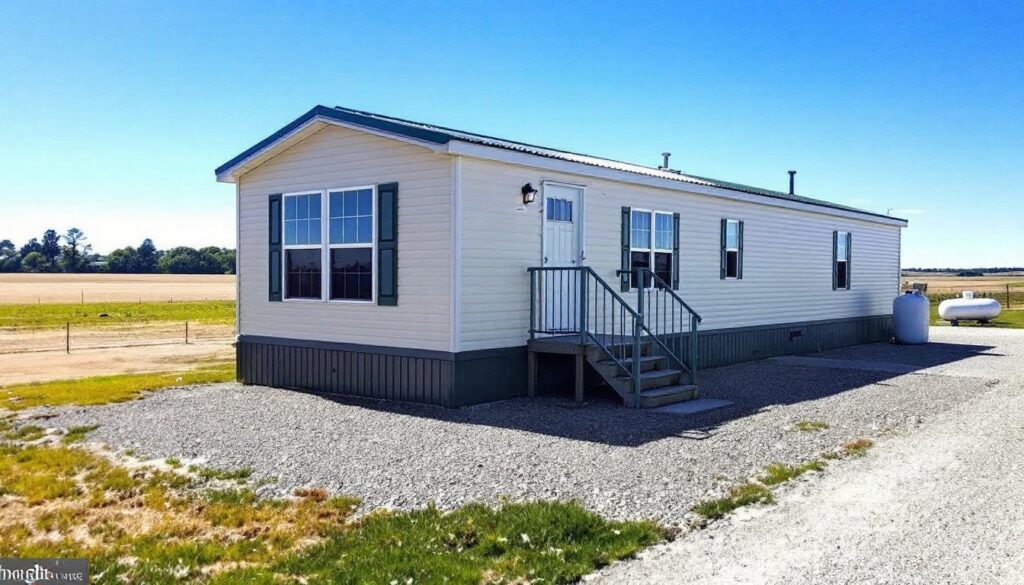
Small mobile homes have become a practical solution for buyers seeking affordable housing without sacrificing quality or comfort. These compact manufactured homes, typically ranging from 400 to 1,000 square feet, offer lower purchase prices, reduced utility costs, and the flexibility to relocate if needed. Whether someone’s downsizing, buying their first home, or seeking a rental investment, cheap small mobile homes deliver value that traditional housing often can’t match. But “cheap” doesn’t mean settling for subpar construction or outdated layouts. With smart shopping and clear priorities, buyers can find well-built, efficient homes that fit tight budgets and lifestyle needs.
Key Takeaways
- Cheap small mobile homes range from $10,000 to $80,000 depending on age, condition, and location, with used post-2000 models offering the best value for budget-conscious buyers.
- New small mobile homes come with warranties and modern energy codes, while used options cost less upfront but require certified inspections to avoid expensive repairs.
- Budget an additional $5,000–$15,000 for delivery and setup beyond the purchase price of cheap small mobile homes, plus ongoing lot rent of $200–$600 monthly if land isn’t owned.
- Chattel loans and FHA Title I loans are common financing options for mobile homes, with interest rates typically ranging from 5%–10% depending on the loan type and borrower credit.
- Essential features in affordable small mobile homes include solid steel frames, metal roofs, copper wiring, energy-efficient insulation, and functional HVAC systems to minimize long-term maintenance costs.
- Plan for hidden costs including insurance ($500–$1,200 annually), utilities, site preparation ($1,500–$5,000+), and annual maintenance ($500–$2,000) when budgeting for small mobile home ownership.
What Are Small Mobile Homes and Why Choose Them?
Small mobile homes are factory-built structures constructed on a permanent steel chassis, classified as personal property rather than real estate in most jurisdictions. They’re built to HUD Code standards (federal manufactured housing regulations established in 1976), which govern everything from structural integrity to fire safety and wind resistance.
These homes typically measure between 400 and 1,000 square feet and come in single-wide configurations (usually 14 to 18 feet wide and 42 to 90 feet long). The “mobile” designation is somewhat misleading, while they can be transported, most stay in one location once set up on a foundation or pad.
The appeal is straightforward: lower cost per square foot, faster move-in timelines (weeks instead of months), and minimal property maintenance compared to site-built homes. They’re ideal for retirees on fixed incomes, first-time buyers with limited credit, or anyone wanting to minimize housing expenses. Many buyers also appreciate the energy efficiency of newer models, which often include better insulation and ENERGY STAR-rated appliances than older site-built homes.
Small mobile homes work particularly well in rural areas, mobile home parks, or on family-owned land where zoning allows manufactured housing. Buyers should verify local zoning ordinances before purchasing, some municipalities restrict where mobile homes can be placed, and HOAs may prohibit them entirely.
How Much Do Cheap Small Mobile Homes Actually Cost?
Pricing varies widely based on size, age, condition, and location, but buyers can expect to pay anywhere from $10,000 to $80,000 for a small mobile home. Regional market conditions and material costs affect pricing, so these figures serve as general benchmarks rather than guarantees.
New small mobile homes from manufacturers typically range from $40,000 to $80,000 for basic single-wide models (600–900 square feet). That price usually covers the structure only, not land, delivery, setup, skirting, or site prep. Budget an additional $5,000 to $15,000 for delivery and installation, depending on distance and site complexity.
Used mobile homes offer significant savings but require careful inspection. Prices start as low as $10,000 to $15,000 for older models (1980s–1990s) in fair condition. Homes from the 2000s in good shape often run $25,000 to $50,000. The age matters: pre-1976 homes don’t meet HUD Code standards and may have safety or financing issues. Stick with post-1976 models unless the buyer has cash and plans extensive renovations.
New vs. Used: Finding the Best Value
New homes come with warranties (typically one year on structure, longer on appliances), modern layouts, and current energy codes. They’re the better choice for buyers financing through traditional lenders or FHA loans, which often won’t approve older units.
Used homes deliver lower upfront costs and faster availability, no wait time for factory production. The trade-off? Higher maintenance risk, potential outdated systems (wiring, plumbing, HVAC), and less efficient insulation. Buyers should hire a certified mobile home inspector (not just a general home inspector) to check the frame, axles, marriage line (the seam where two sections join), roof condition, and underbelly integrity. Repair costs can quickly erase the savings from a cheap purchase price.
For the best value, look for homes from the 2000s or newer that have been well-maintained. These balance affordability with livable condition and often qualify for financing.
Where to Find the Best Deals on Small Mobile Homes
Start with mobile home dealers and manufacturers in the region. Dealers sometimes offer floor models, repossessed units, or overstock at discounted prices. Large manufacturers like Clayton Homes, Skyline Champion, and Fleetwood have searchable inventories and financing programs that can simplify the process.
Online marketplaces expand options significantly. Facebook Marketplace, Craigslist, and MHVillage list thousands of used mobile homes by location and price range. Filter by year (2000+), price, and square footage to narrow results. Always visit in person before committing, photos hide a lot of problems.
Mobile home parks often have homes for sale within their communities. Park managers may know of upcoming listings or residents looking to sell. Buying within an established park simplifies lot rental and utility hookups, though buyers inherit the park’s rules and lot fees (typically $200–$600/month depending on location and amenities).
Foreclosure and auction sites occasionally feature mobile homes, though inventory is unpredictable. County tax sales, HUD foreclosure listings, and auction sites like Auction.com can yield deals, but competition varies and inspections may be limited. Bring cash or pre-approved financing and be prepared to handle repairs.
Bank repossessions are another source. Contact local credit unions and banks that finance mobile homes, they sometimes have repossessed inventory they’re motivated to move quickly. Prices can be below market, but expect as-is sales with no warranty.
Top Features to Look for in Budget-Friendly Small Mobile Homes
Solid frame and axles are non-negotiable. Rust, sagging, or structural damage to the steel chassis compromises safety and makes the home difficult to move or insure. Check underneath if possible, use a flashlight and look for corrosion, broken crossmembers, or gaps in the marriage beam (on double-wides).
Roof condition directly impacts longevity. Metal roofs outlast asphalt shingles and are common on newer models. Look for leaks, soft spots, or rust. A roof replacement on a single-wide runs $2,000 to $5,000, so factor that into negotiations if damage is present.
Updated electrical and plumbing systems save headaches. Aluminum wiring (common in pre-1976 homes) poses fire risks and doesn’t meet current codes. Copper wiring is preferred. Inspect plumbing for leaks, water pressure issues, and the condition of the water heater. Replacing a water heater costs $500 to $1,200: re-piping runs much higher.
Energy-efficient windows and insulation reduce monthly utility bills. Dual-pane windows and adequate floor/wall insulation make a noticeable difference in heating and cooling costs. Ask about R-values (insulation rating), newer homes should have at least R-11 in walls and R-22 in ceilings.
Functional HVAC system is essential. Small mobile homes often use a central furnace and AC unit or a heat pump. Confirm the system works and ask when it was last serviced. Replacement costs range from $2,500 to $6,000, so a failing unit should lower the asking price.
Appliances and fixtures in working condition add value. Even budget homes should have a functioning stove, refrigerator, and water heater. Cosmetic updates (countertops, flooring, cabinets) are nice but secondary to mechanical soundness.
Financing Options for Cheap Small Mobile Homes
Financing a mobile home differs from traditional mortgages, especially if the home isn’t on owned land. Lenders view them as personal property (like a vehicle) rather than real estate, which affects loan terms and interest rates.
Chattel loans are the most common for mobile homes not on owned land. These personal property loans typically carry higher interest rates (7%–10%+) and shorter terms (15–20 years) than conventional mortgages. Credit unions and specialized lenders like Cascade Financial and 21st Mortgage offer chattel loans with competitive terms for qualified buyers.
FHA loans (Title I or Title II) are available for manufactured homes that meet FHA standards, including permanent foundation requirements and construction after June 15, 1976. Title I loans (up to $69,678 for a single-wide) don’t require land ownership. Title II loans require the home and land to be purchased together and treated as real property. Interest rates are more favorable (5%–7%), but qualification is stricter.
VA loans offer excellent terms for eligible veterans buying mobile homes on owned land with a permanent foundation. No down payment, competitive rates, and no private mortgage insurance make this an ideal option for those who qualify.
Personal loans and seller financing work for lower-priced used homes. Personal loans from banks or credit unions may cover $10,000–$35,000 but expect higher interest rates and shorter terms. Seller financing is negotiable and can bypass credit issues, though buyers should have a lawyer review terms.
Cash purchases eliminate interest and streamline the process. If possible, paying cash gives leverage to negotiate lower prices and avoid loan fees.
Hidden Costs to Consider Before You Buy
Land or lot rent is a major ongoing expense. If the buyer doesn’t own land, expect to pay $200–$600+ per month for a mobile home park lot, which usually includes water, sewer, trash, and sometimes lawn care. Read the lease carefully, rent increases, park rules, and resale restrictions vary.
Delivery and setup costs add up quickly. Transporting a mobile home 50–100 miles typically costs $3,000–$7,000, depending on size, permits, and route complexity. Setup includes leveling, anchoring, skirting, and utility hookups, which can add another $2,000–$8,000. Some dealers include delivery in the price: others charge separately.
Foundation and site prep may be required. Even if the home stays on a chassis, it needs a stable, level pad, either crushed stone, concrete runners, or a full slab. Site grading, drainage, and permits can run $1,500–$5,000+ depending on site conditions and local codes.
Utilities and hookups aren’t always included. Connecting to electric, water, sewer, or septic systems costs vary. A new septic system alone runs $3,000–$10,000 in rural areas. Propane tanks (for heat and cooking) may require a deposit and monthly delivery fees.
Insurance is mandatory if financing and wise even if paying cash. Mobile home insurance averages $500–$1,200 annually, depending on location, age, and coverage. Homes in flood zones or high-wind areas cost more to insure.
Taxes and registration apply in most states. Annual registration fees range from $50–$200, and property taxes (or personal property taxes) depend on local rates. Even though mobile homes aren’t real estate, they’re still taxed.
Maintenance and repairs should be budgeted. Older homes need more upkeep, plan for $500–$2,000 annually for routine repairs, HVAC servicing, and minor fixes. Roof, plumbing, or HVAC replacement can double that in a bad year.