
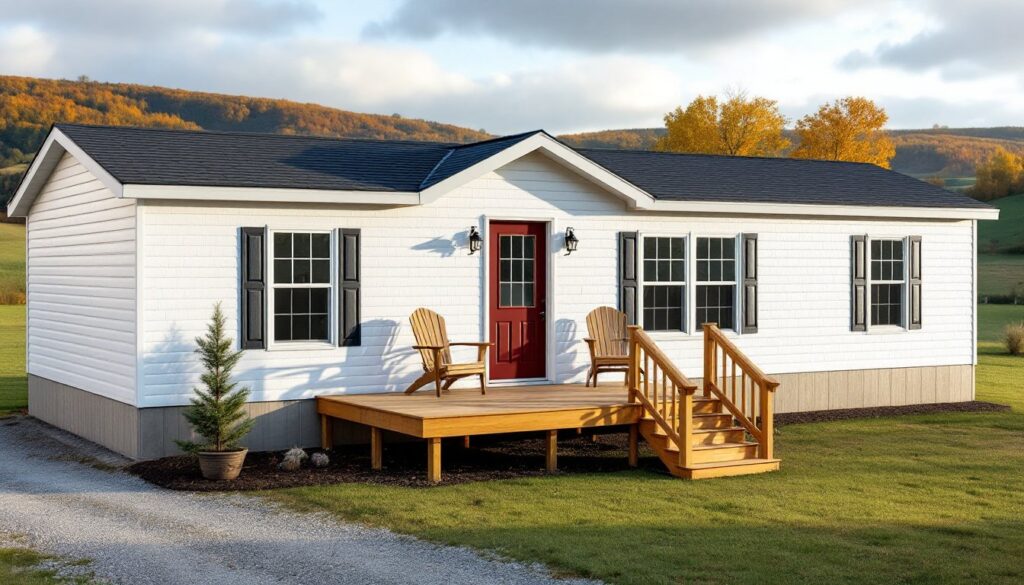
Small single wide mobile homes are making a comeback as housing costs climb and minimalism gains traction. These compact, factory-built dwellings offer a practical entry point into homeownership without the mortgage burden of traditional housing. They’re not just retirement park fixtures anymore, young buyers, downsizers, and rural homesteaders are choosing single wides for their affordability, speed of installation, and surprising livability. Understanding the specs, costs, and potential of these homes helps buyers make informed decisions rather than settling for outdated stereotypes about mobile home living.
Key Takeaways
- Small single wide mobile homes cost $40,000–$80,000 new and offer an affordable entry point to homeownership, with total installed costs realistically ranging from $50,000–$110,000 including delivery, setup, and site preparation.
- Single wide mobile homes can be installed and utility-connected in days rather than months, making them ideal for buyers needing immediate housing or working on remote properties.
- Standard small single wides range from 600–1,100 square feet with 1–3 bedrooms and are built to HUD Code standards, ensuring federal safety and energy efficiency requirements are met.
- Before purchasing a used single wide, inspect the roof, floors, plumbing, HVAC system, and title status carefully, as major repairs like re-roofing or floor substructure damage can cost thousands.
- Financing options include chattel loans (7%–10% interest) for unlanded homes or FHA/VA mortgages for permanent foundations, with lenders favoring permanently affixed homes on owned land.
- Maximize space in small single wides through vertical storage, multi-function furniture, pocket doors, and outdoor extensions like decks, which add functional living area without structural modifications.
What Are Small Single Wide Mobile Homes?
A single wide mobile home is a factory-built dwelling constructed on a permanent steel chassis, designed to be transported to a site in one piece. The term “mobile” is somewhat misleading, once installed on a foundation or support system, these homes rarely move again.
Standard dimensions run 14 to 18 feet wide and 42 to 90 feet long, though smaller models exist. Width is limited by highway transport regulations: anything over 18 feet typically requires special permits and escort vehicles, which is why manufacturers stick to this range. Total square footage for small single wides usually falls between 600 and 1,100 square feet.
These homes are built to HUD Code (the federal Manufactured Home Construction and Safety Standards), not local building codes like site-built homes. HUD Code governs structural design, fire resistance, energy efficiency, and installation standards. Homes built before 1976, when HUD Code was enacted, may not meet current safety or insulation standards and can be harder to finance or insure.
The construction process happens in a climate-controlled factory, which eliminates weather delays and allows tighter quality control than site-built construction. Once the home is complete, it’s transported via flatbed truck to the buyer’s property or a mobile home park.
Benefits of Choosing a Small Single Wide Mobile Home
Affordability tops the list. A new small single wide typically costs $40,000 to $80,000 before land, site prep, and installation, a fraction of the median site-built home price. Used models in good condition can drop below $25,000, making ownership accessible to buyers priced out of traditional markets.
Speed of installation is another advantage. After site prep, a single wide can be set, leveled, and utility-connected in a matter of days, not months. For buyers needing immediate housing or building on rural land without contractor access, this timeline is a game-changer.
Lower maintenance comes with the smaller footprint. Fewer square feet means less roof to replace, fewer windows to maintain, and reduced HVAC costs. Utilities run cheaper too, most small single wides cost $80 to $150 per month to heat and cool, depending on climate and insulation quality.
Flexibility in placement allows buyers to own land without building from scratch. Whether it’s family property, a purchased lot, or a leased pad in a mobile home community, single wides adapt to various situations. Some buyers use them as starter homes while saving for site-built construction: others place them as guest cottages, in-law suites, or rental properties.
Downsides exist, of course. Single wides depreciate faster than site-built homes (though land appreciates). Financing can be trickier if the home isn’t permanently affixed to owned land. Resale markets are narrower, and some municipalities restrict manufactured housing through zoning.
Popular Floor Plans and Size Options
Most small single wides range from 1 to 3 bedrooms and 1 to 2 bathrooms. Layouts prioritize efficiency, with open-concept designs becoming standard to maximize perceived space.
A 600–700 square foot model typically includes:
- 1 or 2 bedrooms
- 1 bathroom
- Combined kitchen and living area
- Utility closet for stacked washer/dryer
800–900 square foot models expand to:
- 2 bedrooms
- 1 or 1.5 bathrooms
- Separate kitchen and living room
- Small dining nook or island counter
1,000+ square foot options offer:
- 3 bedrooms
- 2 bathrooms
- Walk-in closets in the primary bedroom
- Dedicated laundry room
Galley kitchens are common in smaller models, running along one wall to conserve space. Some manufacturers offer vaulted ceilings in living areas, which add openness without increasing the footprint. Standard ceiling height is 7 to 8 feet, but upgraded models push to 9 feet in main areas.
Bathrooms in entry-level models often use shower stalls (30×30 or 32×32 inches) instead of tub/shower combos to save space. Buyers wanting full tubs should confirm dimensions, some compromise on comfort.
Customization is limited compared to site-built homes, but many manufacturers offer option packages: upgraded flooring, energy-efficient windows, kitchen cabinet styles, and appliance tiers. Structural changes (moving walls, adding windows) are difficult post-production due to the steel frame and HUD Code compliance.
Cost Breakdown: How Much Do Small Single Wides Actually Cost?
Budgeting for a single wide involves more than the purchase price. Here’s a realistic breakdown:
Purchase price (new): $40,000–$80,000 depending on size, finishes, and manufacturer. Base models with vinyl flooring, laminate counters, and standard appliances sit at the lower end. Upgraded models with shiplap accent walls, stainless appliances, and engineered wood floors push higher.
Delivery and setup: $3,000–$7,000 depending on distance and site accessibility. Transport costs rise sharply if roads are narrow, steep, or require permits for oversize loads.
Foundation/support system: $2,000–$6,000. Options include pier and beam (concrete blocks or steel piers), slab foundation, or crawl space foundation. Slab foundations offer the best long-term stability and help with financing/resale, but cost more upfront.
Site prep: $2,000–$10,000+. This includes clearing, grading, installing tie-downs (required by HUD for wind resistance), and ensuring proper drainage. Septic systems (if not on municipal sewer) add $5,000–$15,000.
Utility connections: $1,500–$5,000 for electric, water, and sewer hookups, assuming infrastructure exists nearby. Running utilities long distances inflates costs quickly.
Skirting: $800–$2,500. Vinyl skirting is cheapest: masonry skirting (concrete block or brick) costs more but improves insulation and aesthetics.
Permits and fees: $500–$2,000 depending on jurisdiction.
Total installed cost realistically runs $50,000–$110,000 for a turnkey small single wide on owned land. Buying used drops the home cost but doesn’t eliminate setup and site expenses.
Financing options include chattel loans (personal property loans with higher interest rates, 7%–10%) if the home isn’t permanently affixed, or FHA/VA mortgages if installed on a permanent foundation on owned land. Lenders prefer permanent foundations and titled property over leased lots.
Where to Buy and What to Look For
New homes come from:
- Manufactured home dealerships (often manufacturer-direct or regional dealers)
- Manufacturer websites for floor plan browsing, though purchases typically go through dealers
- Mobile home shows and expos for in-person comparisons
Used homes are available via:
- Mobile home parks (residents selling directly)
- Private sales on Craigslist, Facebook Marketplace, and classified sites
- Repo auctions through lenders or auction companies
What to inspect before buying used:
- Roof condition: Look for soft spots, rust on metal roofs, or curling shingles. Re-roofing runs $2,000–$5,000.
- Floor integrity: Bounce test the floors for soft spots indicating water damage or rotten subfloor. Repairs are invasive and costly.
- Plumbing: Check under sinks, around toilets, and beneath the home for leaks or makeshift repairs.
- HVAC system age: Furnaces and AC units typically last 12–15 years. Replacement costs $3,000–$6,000.
- Windows and doors: Ensure they open, close, and seal properly. Replacement windows for mobile homes are specialty items.
- Title status: Verify the home has a clear title and isn’t listed as personal property with outstanding liens.
HUD certification label (a red metal tag on the exterior) confirms the home was built to federal standards. Missing labels complicate financing and resale.
Buyers should also research zoning regulations before purchasing. Some counties restrict manufactured homes to specific zones or require minimum square footage. Mobile home parks have their own rules about age, condition, and approved models.
Maximizing Space in Your Small Single Wide
Efficient storage and smart design choices make small single wides feel larger:
Vertical storage: Install floating shelves in kitchens and bathrooms. Use wall-mounted cabinets above washer/dryer units and in hallways. Overhead pot racks free up cabinet space.
Multi-function furniture: Sofa beds, ottomans with storage, and fold-down dining tables reduce clutter. Murphy beds are impractical in most single wides due to wall construction (steel framing, not wood studs in all locations), but lofted beds work in rooms with vaulted ceilings.
Pocket doors or barn doors: Standard swing doors consume floor space. Replacing them with pocket doors (which slide into the wall cavity) or barn-style sliding doors opens up tight hallways and bathrooms. Note that pocket doors require a hollow wall cavity: retrofitting isn’t always feasible in manufactured homes.
Light colors and mirrors: White or light-toned walls reflect light and expand visual space. Large mirrors in living areas or hallways amplify this effect.
Under-bed storage: Platform beds with built-in drawers or roll-out bins maximize unused space.
Outdoor extensions: Decks, covered porches, or carports extend living space without modifying the home’s structure. A 12×12-foot deck costs $1,500–$3,500 depending on materials and adds significant functional space for grilling, seating, or storage.
Pantry optimization: Narrow pull-out shelves, lazy Susans, and tiered organizers make galley kitchens more functional.
Avoid major structural modifications. Load-bearing walls, roof trusses, and the steel chassis limit remodeling options. Adding windows, removing walls, or installing heavy fixtures (like ceiling fans in unsupported areas) can void warranties or violate HUD Code. For cosmetic updates, paint, flooring, cabinet refacing, DIYers have plenty of room to personalize.
Conclusion
Small single wide mobile homes deliver functional, affordable housing for buyers willing to prioritize value over square footage. They’re not without trade-offs, financing quirks, zoning hurdles, and resale limitations exist, but for first-time buyers, land owners, or downsizers, they offer a viable path to ownership. Approach the purchase with clear eyes: inspect thoroughly, budget for total installed costs, and verify zoning before committing. Done right, a small single wide provides years of comfortable, low-maintenance living.