
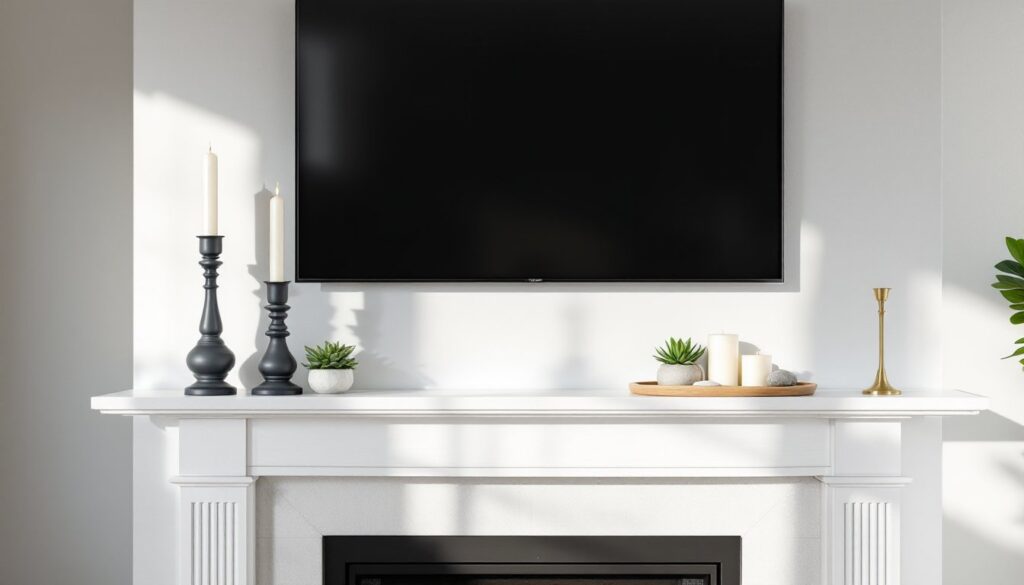
Mounting a TV above the fireplace is practical, it saves wall space and creates a natural focal point. But it also presents a design challenge: how to decorate the mantel without the space feeling top-heavy, cluttered, or visually unbalanced. A black screen can dominate the wall, making even carefully chosen decor look like an afterthought. The good news? With the right approach to scale, arrangement, and material choices, homeowners can style a mantel that complements the TV instead of competing with it. This guide covers symmetrical and asymmetrical layouts, seasonal swaps, color strategies, and common pitfalls, all aimed at making that mantel-and-TV combo look intentional.
Key Takeaways
- Mantel decor ideas work best when you limit items to 3–5 pieces in odd numbers, leaving 50–60% of the mantel surface bare to prevent a cluttered appearance beneath your TV.
- Choose decor items that are 6–12 inches tall for a 55-inch TV and maintain at least 3–4 inches of clearance between the tallest piece and the bottom of the screen to avoid visual heaviness.
- Symmetrical layouts with matching candlesticks, flanking greenery, or layered pairs create a formal, cohesive look, while asymmetrical arrangements using the rule of thirds suit modern spaces and off-center TVs.
- Monochrome, neutral, or warm metallic finishes complement black TV screens better than bright, high-contrast colors; incorporate natural materials like wood, ceramic, and stone for texture and warmth.
- Seasonal swaps keep your mantel fresh by rotating accent pieces around a permanent base arrangement, such as spring tulips, summer greenery, fall warm tones, or winter metallics.
- Avoid overcrowding, blocking airflow, hanging items from the TV mount, and ignoring cable management—run cords through the wall or use flush cord covers to maintain a polished look.
How to Style a Mantel With a TV Above Without Looking Cluttered
The key to mantel decor under a TV is restraint. A mounted screen already occupies significant visual real estate, so the mantel should anchor the arrangement, not add noise.
Start with scale. Objects should relate proportionally to both the mantel width and the TV size. For a 55-inch screen, choose items that range from 6 to 12 inches tall. Anything taller risks crowding the lower edge of the TV. A good rule: leave at least 3 to 4 inches of clearance between the tallest decor piece and the bottom of the screen.
Limit the number of objects. Three to five pieces work for most mantels. More than that and the eye doesn’t know where to land. Group items in odd numbers, one tall candlestick flanked by two smaller votives, or a central vase with a pair of framed prints on either side.
Go low and linear. Horizontal arrangements visually widen the mantel and balance the TV’s rectangular shape. Think shallow trays, stacked books, or low-profile planters rather than towering sculptures. Avoid tall, spindly items that compete for vertical attention.
Mind the negative space. Empty mantel surface isn’t wasted, it gives the eye a rest and prevents the setup from feeling like a crowded shelf. If the TV is large (65 inches or more), consider leaving the outer thirds of the mantel bare and clustering decor toward the center.
Symmetrical Mantel Decor Ideas That Frame Your TV Beautifully
Symmetry works especially well when the TV is centered above the mantel. It creates a formal, cohesive look that draws the eye toward the screen as the intended focal point.
Matching candlesticks or lanterns are a classic choice. Place one on each end of the mantel at equal distance from the center. Choose finishes that contrast with the TV, brushed brass, matte black, or aged bronze all work. Keep the height under 10 inches for a 50- to 60-inch TV.
Flanking greenery softens the hard edges of both the mantel and the screen. Use two identical potted plants (faux fiddle leaf stems, eucalyptus, or olive branches in ceramic pots) positioned symmetrically. Real plants work if the mantel gets indirect light: otherwise, high-quality faux greenery holds up better near heat sources.
Bookend approach with art. Lean two identical framed prints or small mirrors against the wall on either side of the mantel, leaving the center open. Black-and-white photography or line drawings keep the look understated. Frames should be 8×10 or smaller to avoid competing with the TV.
Layered symmetry adds depth. Start with two matching candlesticks on the outer edges, then add a pair of small decorative boxes or ceramic bowls closer to center. This creates visual rhythm without clutter. Keep all items within the same color family for cohesion.
Asymmetrical and Layered Arrangements for Modern Mantels
Asymmetry suits contemporary interiors and works well when the TV is off-center or when the homeowner prefers a more relaxed, curated vibe.
Anchor with one statement piece. Place a single larger object, like a 10-inch ceramic vase or a sculptural bowl, on one end of the mantel. Balance it with two or three smaller items (a short candle, a small plant, a stack of two books) on the opposite side. The visual weight should feel equal even though the arrangement isn’t mirrored.
Use the rule of thirds. Divide the mantel into three sections. Place decor in two of them and leave the third mostly empty. For example, cluster items on the left third, leave the center bare beneath the TV, and add a single lightweight object on the right.
Layer frames and objects. Lean a medium-sized piece of art (12×16 inches) against the wall on one side, slightly overlapping it with a small potted succulent or a candle in front. On the other side, use a tall, slim object like a taper candle in a minimalist holder. The overlap creates depth without taking up more horizontal space.
Incorporate texture. Mix materials, wood, metal, ceramic, woven baskets, to add interest without adding clutter. A small wooden tray holding a candle and a smooth stone, paired with a matte black vase on the other end, creates contrast that feels intentional. Avoid more than three different finishes to keep the look grounded.
Seasonal Mantel Decor That Works Around a Mounted TV
Seasonal swaps keep the mantel fresh without requiring a full redesign. The trick is to change accents, not the entire setup.
Establish a base arrangement that stays year-round. This might be a pair of candlesticks and a low wooden tray. Then rotate what goes in the tray or around the candlesticks.
Spring: Add a low vase with fresh or faux tulips, cherry blossoms, or pussy willows. Keep the palette soft, whites, pale greens, blush pinks. A small nest or ceramic bird adds subtle seasonal detail without kitsch.
Summer: Swap in greenery with a looser feel, eucalyptus stems, seeded branches, or a potted fern. Use natural fiber baskets or linen-wrapped votives. Driftwood pieces or coral (real or ceramic) work for coastal homes.
Fall: Introduce warm tones, burnt orange, deep reds, mustard yellow, through small pumpkins, gourds, or autumn leaves in a glass cloche. A short bundle of wheat or a ceramic acorn bowl adds texture. Skip the oversized faux pumpkins: they crowd the TV.
Winter/Holidays: Use metallic finishes, silver candlesticks, gold-dipped pinecones, or frosted white branches in a clear vase. Battery-operated string lights in a glass jar add warmth without competing with the screen. For Christmas, limit garland to the mantel edge, draping it up around the TV looks forced and hides mounting hardware.
Safety note: Never place real candles directly under a TV or near vents. Heat from the fireplace can warp electronics: ensure the TV is mounted at a safe distance per manufacturer specs.
Color Schemes and Materials That Complement Black Screens
A black TV screen is a large, dark rectangle. The mantel decor should either blend with it or provide intentional contrast, not fight for attention.
Monochrome and neutrals create a cohesive, gallery-like feel. Use whites, grays, blacks, and natural wood tones. White ceramic vases, black iron candlesticks, and bleached wood trays all play well together. This approach makes the TV feel like part of the design instead of an eyesore.
Warm metallics soften the screen. Brass, gold, copper, or bronze introduce warmth without bright color. A pair of brass candlesticks or a hammered copper tray catches light and draws the eye away from the flat black surface.
Muted earth tones work if color is desired. Think terracotta, olive green, soft taupe, or charcoal blue. These shades are saturated enough to add interest but low-contrast enough not to clash with the TV. Avoid bright, high-chroma colors, they’ll look garish next to a black screen.
Natural materials add texture and warmth. Wood, stone, ceramic, linen, and rattan all feel organic and balance the tech-heavy presence of the screen. A wooden bowl, a ceramic planter, and a linen-wrapped book stack create visual interest through material variation, not color.
Reflective surfaces can help. A small round mirror or glass vase reflects light and prevents the mantel from feeling too heavy. Don’t overdo it, one reflective element per mantel is enough.
Avoid high-contrast patterns (bold stripes, busy florals) directly on the mantel. They compete with the screen and create visual chaos.
Common Mantel Decorating Mistakes to Avoid With a TV
Overcrowding the mantel. If every inch is covered, nothing stands out, including the TV. Less is more. Aim for 50 to 60 percent coverage max, leaving plenty of breathing room.
Ignoring the TV when decorating. Pretending the screen isn’t there leads to awkward tangents, tall objects that block the lower edge, or decor that ends abruptly where the mount begins. Design around the TV, not in spite of it.
Using objects that are too small. Tiny trinkets look lost on a mantel, especially under a large TV. Scale up. A single 8-inch vase reads better than five 2-inch tchotchkes.
Centering everything under an off-center TV. If the TV is mounted off to one side (often the case with angled fireplaces), the mantel arrangement should acknowledge that asymmetry. Don’t force a centered layout.
Blocking airflow or vents. If the fireplace is functional, keep decor away from active vents and flues. Heat can warp ceramics, melt candles, or discolor finishes. Ensure the TV is mounted at the manufacturer’s recommended clearance above the firebox, usually 12 inches minimum.
Hanging items from the TV mount. Stockings, garland, or frames hung from the TV or its mounting bracket can damage equipment or create a fire hazard. Use the mantel edge or install separate hooks.
Forgetting about cable management. Exposed cords trailing down the wall ruin even the best mantel styling. Run cables through the wall (requires cutting drywall and possibly a low-voltage permit in some jurisdictions) or use a cord cover kit that mounts flush. Wireless streaming devices and in-wall power kits minimize visible wiring.
Conclusion
Styling a mantel under a TV doesn’t require sacrificing design for function. By choosing decor that respects scale, embraces negative space, and complements the screen’s color and mass, homeowners can create a setup that feels balanced and intentional. Whether the approach is symmetrical and traditional or asymmetrical and modern, the mantel should anchor the room, not compete with what’s on the screen.