
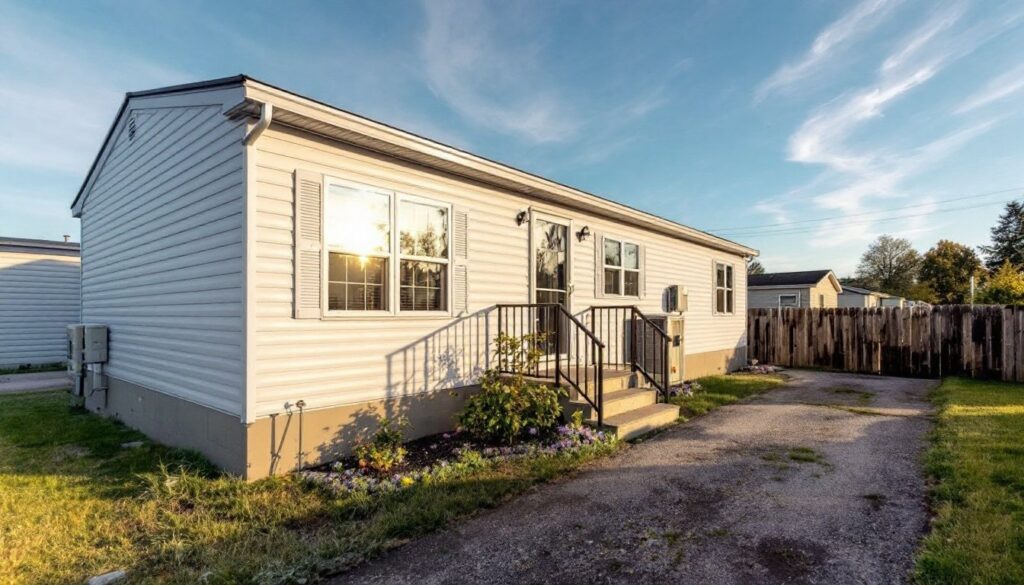
Single wide small mobile homes offer an accessible entry point into homeownership without the crushing debt of a traditional mortgage. These compact manufactured homes deliver functional living space on a modest footprint, typically 600-1,000 square feet. They’re factory-built, code-compliant structures designed to be transported to a site and installed on a permanent or semi-permanent foundation. For buyers priced out of conventional housing markets, first-time homeowners, retirees downsizing, or anyone seeking a low-maintenance dwelling, single wide mobile homes present a viable alternative worth serious consideration.
Key Takeaways
- Single wide small mobile homes cost $40,000–$75,000 new and offer a significantly more affordable homeownership path than traditional site-built homes averaging around $420,000.
- These manufactured homes consume 30–50% less energy than comparable houses and require minimal maintenance, with repair costs (such as roof replacement at $3,000–$6,000) substantially lower than traditional homes.
- Financing options for single wide mobile homes include chattel loans with rates of 7–10%, FHA Title I loans, conventional mortgages on owned land with permanent foundations, and VA loans for veterans.
- Zoning restrictions, depreciation risks on leased land, and limited resale financing options are critical considerations that may significantly impact your long-term equity and ability to sell.
- Mobile home park leases can result in annual lot rent increases and permit park owners to impose rules or force sales, making independent land ownership the more stable option despite higher upfront costs.
What Are Single Wide Small Mobile Homes?
A single wide mobile home is a manufactured home built in a factory as one complete unit, then transported to a site on a single chassis. Unlike modular homes (which arrive in sections and require assembly), a single wide is moved as a single piece, usually no wider than 18 feet to comply with highway transportation regulations.
These homes are governed by the HUD Code (federal manufactured housing construction and safety standards, established in 1976), not local building codes, though they must still meet requirements for foundation, tie-downs, and utilities at the installation site. The HUD Code covers design, construction, fire safety, and energy efficiency.
Single wides are distinct from double wides (two sections joined on-site) and triple wides. The “small” designation generally refers to units under 1,000 square feet, often in the 600-900 range. These homes are built on a steel frame with axles and can technically be relocated, though in practice most are installed semi-permanently and rarely moved after initial placement.
Common configurations include 1-2 bedrooms, 1-2 bathrooms, a combined kitchen/living area, and occasionally a utility closet for a stacked washer/dryer. Modern single wides often feature drywall interiors, shingle roofing, and vinyl siding, making them visually similar to traditional site-built homes.
Key Benefits of Choosing a Single Wide Small Mobile Home
Single wide small mobile homes deliver measurable advantages that extend well beyond purchase price. Understanding these benefits helps buyers evaluate whether this housing type aligns with their long-term goals.
Affordability and Lower Upfront Costs
The median price for a new single wide in 2026 ranges from $40,000 to $75,000 depending on size, finishes, and regional market conditions. Used models can be found for $15,000-$35,000, though buyers should budget for refurbishment and code updates.
Compare that to the national median for a site-built home, which hovers around $420,000. Even factoring in land lease fees (typically $300-$800/month depending on location and amenities), the total housing cost remains substantially lower.
Down payment requirements are often more flexible. While conventional mortgages typically demand 10-20% down, chattel loans (personal property loans) for mobile homes may require as little as 5%, and some VA and FHA programs offer paths to lower down payments if the home meets specific criteria and sits on owned land with a permanent foundation.
Property taxes are generally lower as well, since manufactured homes on leased land are often taxed as personal property rather than real estate, though this varies by state and county.
Reduced Maintenance and Utility Expenses
A smaller footprint means less square footage to heat, cool, clean, and repair. Single wide homes typically require 30-50% less energy than comparably-occupied site-built homes, especially newer models built to HUD’s updated energy standards.
Roof replacement on a single wide runs $3,000-$6,000 versus $8,000-$15,000+ for a traditional home. HVAC systems are smaller and less costly to replace. With fewer windows, less siding, and a compact floor plan, material costs for maintenance projects stay manageable.
That said, owners should expect to replace skirting, inspect and maintain the steel frame for rust, and monitor plumbing runs in the crawl space or underbelly more closely than in a slab-foundation home. Water lines in mobile homes can be more vulnerable to freezing if heat tape or insulation fails.
Standard Dimensions and Floor Plan Options
Single wide mobile homes are sold in standardized widths and lengths that reflect highway transport limits and manufacturing efficiencies.
Standard widths: 12, 14, 15, 16, and 18 feet. The 18-foot width is the legal maximum in most states for highway transport without special permits.
Standard lengths: 40, 48, 52, 56, 60, 64, 66, and 76 feet. Most small single wides fall in the 48-60 foot range, yielding 600-900 square feet of interior space.
Interior ceiling heights typically range from 7 to 8 feet, with some premium models offering vaulted ceilings in living areas to enhance the sense of space.
Common floor plan layouts include:
- One-bedroom models (500-650 sq ft): Open kitchen/living area, one full bath, utility closet. Ideal for singles or couples.
- Two-bedroom models (650-900 sq ft): Bedrooms at opposite ends for privacy, central bath, kitchen/dining combo. Suitable for small families or roommates.
- Two-bedroom, two-bath (800-1,000 sq ft): Master suite with private bath, second bedroom and guest bath, more defined living and dining zones.
Floor plans are typically narrow and linear, with hallways running along one side to maximize usable room dimensions. Builders offer some customization, cabinet finishes, flooring, appliance packages, but structural changes (moving walls, adding windows) are limited by the factory construction process.
Buyers should verify actual vs. nominal dimensions. Advertised square footage sometimes includes areas like porches or utility closets that feel smaller in practice.
How to Finance and Purchase a Single Wide Small Mobile Home
Financing a single wide mobile home differs from a traditional mortgage, and understanding the options upfront can save thousands in interest.
Chattel loans (personal property loans) are the most common route when the home sits on leased land. These carry higher interest rates (7-10%+ in 2026) and shorter terms (15-20 years vs. 30 for a mortgage) because the loan is secured by the home, not real estate. Lenders view this as higher risk since mobile homes can depreciate and be moved.
FHA Title I loans are designed specifically for manufactured homes. They offer competitive rates if the home meets HUD standards and the buyer qualifies. Loan limits are typically capped around $69,678 for a single wide.
Conventional mortgages become available if the buyer owns the land and the home is installed on a permanent foundation (typically a frost-protected shallow foundation, concrete runners, or a full perimeter foundation with proper anchoring). The home must also have the axles and hitch removed and be titled as real property, not a vehicle. This process varies by state but generally requires an inspection and re-titling through the DMV or county assessor.
VA loans are an option for qualifying veterans. The home must be on owned land, affixed to a permanent foundation, and titled as real property.
When purchasing, buyers can go through:
- Manufactured home dealers: New models with warranties, financing assistance, and delivery/installation packages. Expect a 10-20% dealer markup.
- Private sellers: Used homes, often in mobile home parks. Requires independent inspection, appraisal, and loan pre-approval. Buyers should verify the HUD certification label (red label affixed to the home’s exterior) and request maintenance records.
- Repo or estate sales: Potential bargains, but often require significant repairs. Always hire a licensed inspector familiar with manufactured homes before closing.
Budget for installation costs: site prep, foundation work, utility hookups, skirting, and tie-downs can add $5,000-$15,000 depending on site conditions.
Important Considerations Before Buying
Single wide mobile homes aren’t a fit for everyone, and a few realities deserve honest assessment before signing paperwork.
Zoning and placement restrictions: Many municipalities restrict or prohibit manufactured homes outside designated mobile home parks. Check local zoning ordinances before buying land or assuming a home can be placed on a rural lot. Some HOAs and subdivisions explicitly ban mobile homes.
Depreciation vs. appreciation: Mobile homes on leased land typically depreciate like vehicles, especially older models. Homes on owned land with permanent foundations can appreciate modestly, but generally lag behind site-built homes. This affects resale value and equity-building potential.
Financing challenges: Resale financing can be harder to secure, particularly for older homes (pre-1990s) or those without a permanent foundation. This shrinks the buyer pool when it’s time to sell.
Park rules and lot rent increases: If placing the home in a mobile home park, review the lease carefully. Lot rent can increase annually, and park owners can impose rules about modifications, occupancy, pets, and even force sales if the park closes or converts. Tenants have limited legal protections in many states.
Insurance requirements: Mobile home insurance differs from homeowners insurance. Policies must cover the structure, personal property, and liability, and premiums are often higher due to perceived wind and fire risk. Flood and windstorm coverage may require separate riders. Lenders will require proof of insurance before funding.
Installation quality matters: Poor installation, uneven leveling, inadequate tie-downs, improper skirting, leads to structural stress, door/window binding, plumbing leaks, and even safety hazards in high winds. Hire a licensed installer or inspect the work carefully if the seller handled it. Verify compliance with local codes for anchoring and foundation.
Utility hookups and access: Confirm that water, sewer (or septic approval), electrical service, and gas are available and that connection costs are factored into the budget. Rural placements may require well drilling and septic installation, adding $10,000-$25,000+.
Resale and exit strategy: Understand that selling a mobile home, especially on leased land, can take longer and yield lower returns than traditional real estate. Plan for a longer ownership period or a realistic resale price.